Dental Implants v/s Bridges: Insights from a Dentist

What is the difference between dental implants and dental bridges? In what ways does it make a difference?

The primary reason for both dental implants and dental bridges is tooth loss, which can result from tooth decay, gum disease, injury, or age-related wear and tear. Both implants and bridges provide solutions to replace missing teeth, restoring your smile, function, and overall oral health.

Since this question deserves a thorough answer, let’s look into how implants and bridges differ, as well as how to care for them after the procedure. Let’s dive into the bigger picture right now.


Dental Implants V/S Dental Bridges (Definition, Longevity, Cost & Care)

What is Dental Implant? 

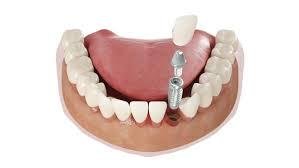
A dental implant is like a fake tooth root. It’s a small metal post that a dentist puts into your jawbone. This post helps hold a new, fake tooth in place, just like a real tooth root.
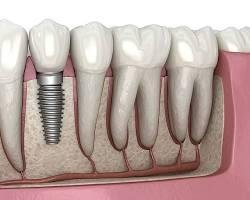
As you can see, the implant itself is a small titanium post that’s surgically placed into the jawbone. Once it fuses with the bone, it acts as a strong anchor for a replacement tooth, which can be a crown, bridge, or denture.

It is clear that, a dentist suggest dental implant when you lost your tooth.Because, there are several reasons, here are some of them:

Benefits of Dental Implant 

  • Implants feel and act like your natural teeth, making it easier to chew and speak.  
  • Implants help prevent bone loss in your jaw, which can happen when you lose teeth.  
  • Implants can give you a natural-looking smile.  
  • With proper care, implants can last a lifetime.

Here are some of the advantages of going for dental implants, if your dentist advises dental bridge, it is ok! Because they are the experts and they know what is best fit for you!

Mostly, patients have concerns on how to take care of the teeth after the implant.To quench their curiosity, here are some the ways dentist recommend 

Immediate Post-Surgery Care dental implants
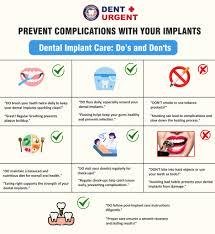
  • Apply ice packs to your face for 20 minutes at a time, then remove for 20 minutes. Repeat as needed for the first 24-48 hours.   
  • Take over-the-counter pain relievers as directed by your dentist.
  •  Stick to soft foods like soups, yoghurt, or other soft dishes  for the first few days. Avoid hard, crunchy, or chewy foods.   
  • Gently rinse your mouth with salt water after meals. Avoid brushing your teeth near the surgical site for the first 24 hours.
  • Get plenty of rest and avoid strenuous activity for the first few days.   

Cost of Dental Implant 

Dental implants in Kerala are a popular choice for people looking for a long-lasting and natural-looking solution for missing teeth. The cost of dental implants can vary depending on several factors, including the type of implant, the number of implants needed, the complexity of the procedure, and the dentist’s experience and clinic.  

However, it’s important to consult with a dentist to get an accurate estimate based on your specific needs.

What is Dental Bridge?
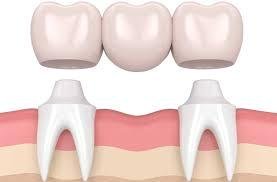
A dental bridge is like a little bridge for your teeth! It helps fill in the gap when you’re missing one or more teeth. It’s made of crowns that fit over your real teeth on either side of the gap, and a fake tooth (called a pontic) that sits in between. This helps you chew, speak, and smile better!


Benefits of Dental Bridge

  • A bridge helps you chew food properly, making it easier to eat and digest.   
  • Missing teeth can affect your speech. A bridge can help you speak clearly and confidently.   
  • A bridge can fill the gap left by a missing tooth, improving your smile and overall appearance.   
  • When a tooth is missing, the surrounding teeth can shift. A bridge helps keep your remaining teeth in place.   
  • Missing teeth can lead to bone loss in your jaw. A bridge helps prevent this, maintaining the natural shape of your face

Post Dental care dental bridge
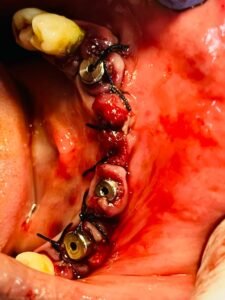
A dental bridge is a great way to restore your smile and improve your oral health. To ensure your bridge lasts a long time, follow these simple care tips:


  •  Use a soft-bristled toothbrush and fluoride toothpaste to gently clean your teeth, including the bridge.
  • Use a floss threader to clean under the bridge and between your teeth. This helps remove plaque and food particles that can lead to decay and gum disease.
  • Use an antibacterial mouthwash to kill bacteria and freshen your breath.
  • Avoid hard and sticky foods, These can damage your bridge or loosen it from your teeth.
  • Cut food into smaller pieces This makes it easier to chew without putting too much stress on your bridge.
  • Drink plenty of water to keep your mouth moist and prevent dry mouth.
  • Schedule regular check-ups and cleanings to monitor the health of your bridge and natural teeth. Your dentist can also detect any potential problems early on.

Cost of dental bridge 

The cost of a dental bridge depends on several factors. One important factor is the type of bridge, as the materials used and techniques applied can affect the price. For example, materials like porcelain or metal vary in cost, and certain techniques may require more work, and it will make the dental bridge more expensive. 

Another factor is the number of teeth being replaced. A bridge that replaces several teeth will generally be more costly than one designed for a single tooth.

Which is best to you?

Dental implants are generally considered the superior option for long-term oral health and durability. They look and feel like natural teeth, and they can help prevent bone loss. However, they require surgery and can be more expensive upfront.

Dental bridges, on the other hand, are a less invasive and more affordable option. They can improve your appearance and chewing ability. But, they don’t prevent bone loss, and they may require more maintenance over time.

Ultimately, the best option for you will depend on your individual needs and circumstances. It’s important to consult with a qualified dentist to discuss your options and determine the best course of action.
 

What Oral Surgeons Do: A Must-Read for Anyone Considering Dental Surgery!

Dentistry can sometimes be confusing, especially with all the different specialisations. Many people feel unsure or anxious about what different dental specialists do. One way to make things clearer and less stressful is by explaining each specialist’s role.

While “oral” and “surgeon” seem straightforward, you might still wonder, “What exactly do oral surgeons do?

Let’s start from the basics

Who is an oral surgeon?

An oral surgeon/ maxillofacial surgeon is a dentist who has special training to do surgeries on the mouth, teeth, jaws, and face. They can help with things like removing wisdom teeth, fixing jaw problems, or treating injuries in the mouth.

Imagine this: You’re in the middle of a busy day when suddenly, a sharp, unbearable toothache hits you. After trying to ignore it for hours, you rush to your dentist, only to hear the words you were dreading: “You need to see an oral surgeon/maxillofacial surgeon.”

Your heart skips a beat, and an uneasy feeling starts creeping in. Thoughts race through your mind—Do I have something serious? Is surgery the only option? As the fear builds, your hands start trembling. It’s completely natural to feel anxious.

But here’s the good news: At our dental clinic in Manjeri , we’ve seen this scenario play out countless times. We understand your worry, and we want to assure you that it’s not as scary as it seems. Before you panic, take a deep breath and get familiar with the role of an oral surgeon. Understanding what they do can give you peace of mind.

8 Common Procedures by Oral Surgeons

Dentists often send patients to dental surgeons for complex procedures that need special skills, tools, or pain control methods. Here are a few tasks dental surgeons handle:

Remove wisdom teeth and other difficult teeth

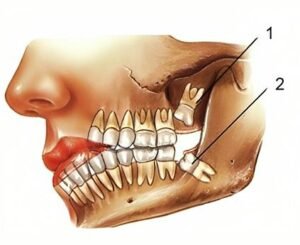
Oral surgeons specialise in removing teeth that are hard to extract, especially wisdom teeth that are impacted or growing at an angle. These teeth can cause pain, swelling, or infection if left untreated. Oral surgeons/maxillofacial surgeon. ensure the removal is safe and efficient, often under anaesthesia for patient comfort.

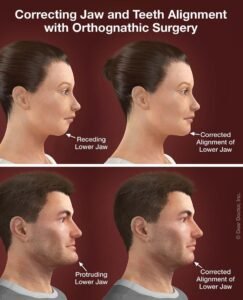
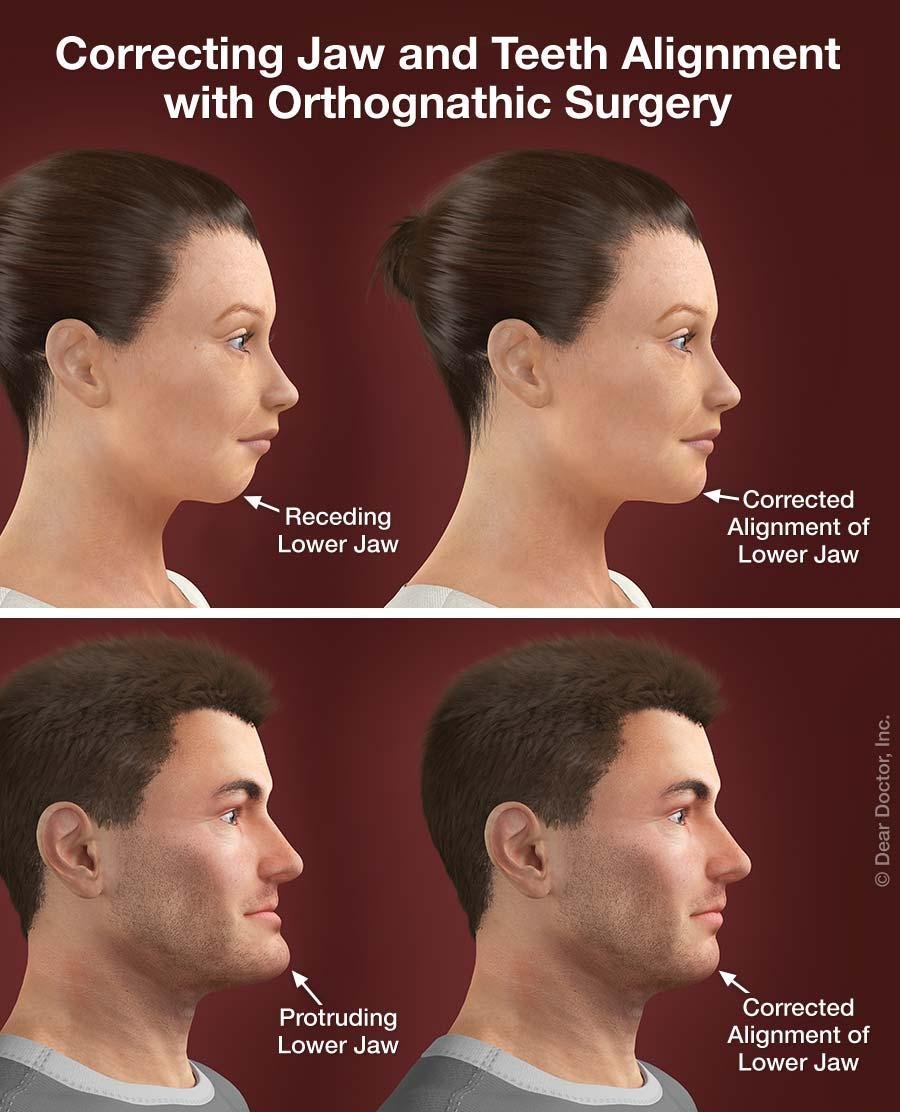
2.Perform surgeries on the jaw to fix alignment issues

When the upper and lower jaws don’t meet properly, it can affect chewing, speaking, and even breathing. Oral surgeons correct these misalignments through jaw surgery (orthognathic surgery), which helps improve not only function but also facial appearance and symmetry.

3. Place dental implants for missing teeth

If you’re missing teeth, oral surgeons/maxillofacial surgeons. can place dental implants, which are titanium posts surgically inserted into the jawbone. These implants provide a strong foundation for artificial teeth. It will  restore the look and function of natural teeth and improve your ability to eat and speak.

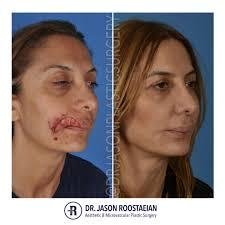
4. Treat facial injuries, like broken jaws or damaged teeth

Accidents or injuries can lead to broken jaws, damaged teeth, or facial trauma.An  Oral surgeons repair these injuries, often performing delicate procedures including realign bones, reconstruct damaged tissue, and restore the natural appearance of your face.They play a vital role in emergency facial reconstruction.

5. Remove cysts, tumours, or growths in the mouth and jaw

Oral surgeons are trained to identify and remove cysts, tumours, or abnormal growths in the mouth, and jaw. These procedures help prevent the spread of infections or diseases and can involve careful reconstruction to maintain the appearance and structure of the affected area.

6. Manage severe dental pain or infections
In cases where regular dental care isn’t enough, oral surgeons treat severe tooth or jaw pain caused by infections, abscesses, or nerve issues. They often perform root surgeries or other procedures to eliminate pain and prevent further complications, ensuring long-term oral health.

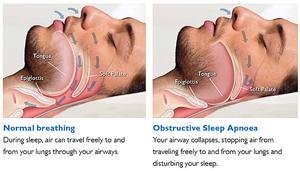
7. Help with issues like sleep apnea through surgery

For patients with sleep apnea who struggle with breathing while sleeping, oral surgeons can perform surgeries to remove excess tissue, reposition the jaw, or open up the airways. This can significantly improve sleep quality and reduce the risk of other health problems caused by sleep apnea.

8. Perform reconstructive surgery after accidents or trauma

After severe accidents, oral surgeons carry out reconstructive surgeries to rebuild the mouth, jaw, or facial bones. These procedures not only restore function, such as the ability to chew or speak, but also focus on rebuilding the appearance, helping patients recover both physically and emotionally.


Educational Qualification of Oral Surgeon 

Sometimes, you may wonder, What qualifications allow an oral surgeon to perform such complex tasks or procedures? Like dentists, oral surgeons begin with a bachelor’s degree in dentistry. Afterward, they undergo specialised training, which makes them experts in their field.


In order to shed more light on this, let’s look at how a dentist differs from an oral surgeon.

Difference Between Dentists & Oral Surgeon

Dentists are like your everyday family doctors for your teeth. They clean your teeth, fill cavities, and fix broken teeth. Yes, they are the general practitioners of dentistry.

Dental surgeons, on the other hand, are specialists who handle more complex problems. They extract wisdom teeth, perform surgeries on the jaw, and place dental implants. They’re the experts when things get more complicated.

In terms of education, dentists go to dental school for several years. Dental surgeons also go to dental school but undergo additional training to become specialists.

Dentists usually work in private dental clinics, while dental surgeons often work in hospitals or specialised dental clinics.

Dentists handle procedures like fillings, cleanings, and simple extractions. Dental surgeons perform more complex surgeries, such as wisdom tooth removal and jaw surgery.

When it comes to pain management, both use local anaesthesia to numb the area. However, dental surgeons can also use general anaesthesia, which puts you to sleep for more extensive procedures.

Remember: Dentists are your first stop for most dental care. If you need something more complicated, they will refer you to a dental surgeon.

For a better understanding, please refer to the table below.

Feature Dentist Oral Surgeon
Focus General dental care Complex oral and maxillofacial surgery
Procedures Fillings, cleanings, extractions, root canals Wisdom tooth removal, jaw surgery, dental implants, facial trauma repair
Training Dental school degree Dental school degree + additional surgical training
Scope Treats common dental problems Handles more complex surgical cases
Setting Typically private dental offices Often in hospitals or specialized clinics


For the Best Oral Surgeons, Visit Here:

When you visit an oral surgeon, you’re looking for someone who makes you feel comfortable and performs the procedure with the utmost care and precision. You can find such doctors at Maanu Dental Clinic. They are experienced dental practitioners with expertise in complex oral procedures. To make an appointment, call us at:

Root Canal Treatment Costs in Kerala: Your Questions & Their Expert Answers

Why is a root canal costly in Kerala? Our patients often ask this during their visits to our clinic. To be clear, the cost of a root canal is high not just in Kerala but worldwide. There are several factors that contribute to the cost of a root canal.

In this blog, let’s examine what a root canal is, the factors affecting its cost in Kerala, and how you can reduce the chances of needing a root canal and save money.

Without wasting  time, let’s dive in!

What is Root canal treatment?

Root canal treatment is a dental procedure designed to save a tooth that is badly infected or decayed. First, the dentist removes the damaged tissue inside the tooth. Next, the tooth is cleaned and disinfected. After that, the dentist fills and seals the tooth to prevent further infection. This procedure helps to relieve pain and keep the tooth from being removed

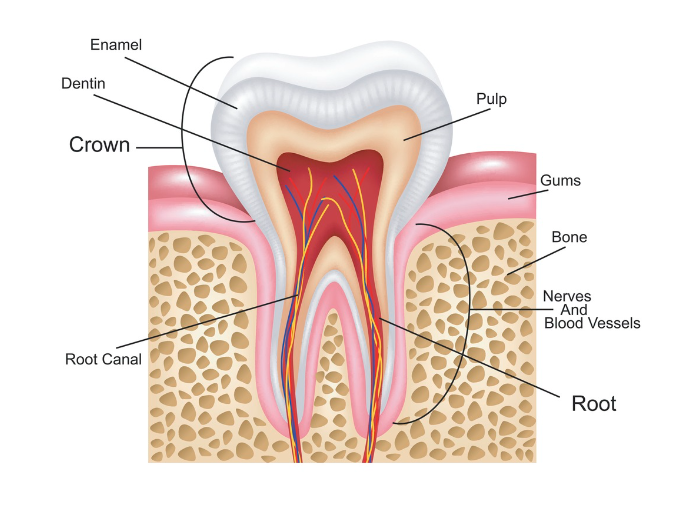
Basically A “root canal” is a  part of the tooth, not just a treatment . It’s the hollow area inside the tooth that holds the nerve tissue, blood vessels, and other cells, also called the pulp.

A tooth has two main parts: 1.The crown 

The roots.

The crown is the top part of the tooth that you see above the gum, while the roots are below the gum, anchoring the tooth to the jawbone.

Inside both the crown and the roots is the pulp. The pulp keeps the tooth healthy and moist. It also has nerves that can feel hot and cold as pain.

Hence, the dental procedure often called a “root canal” is actually known as endodontic therapy, which means “inside the tooth.”


What are the steps involved in root canal?

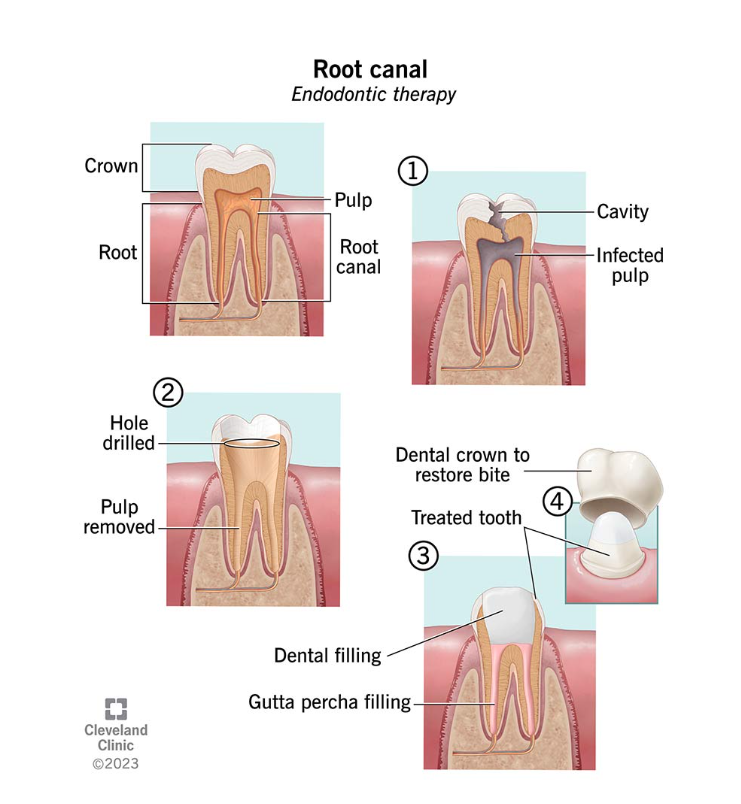
Root canal therapy usually involves  the following three main steps: 

  1. Cleaning the Root Canal
  2. Filling the Root Canal
  3. Adding a Crown or Filling

Cleaning the Root Canal

First, the dentist removes everything inside the root canal. With the patient numb from local anaesthesia, the dentist makes a small hole in the tooth and takes out the infected or dead pulp tissue using tiny tools.

Filling the Root Canal

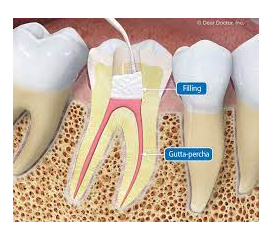
Next, the dentist cleans and shapes the hollow area, using tiny tools and special cleaning solutions. After that, the dentist fills the canal with a rubbery material and seals it with adhesive cement. Once this is done, the tooth is no longer alive, so it won’t hurt anymore because the nerve tissue is gone and the infection is treated.

Adding a Crown or Filling

The tooth becomes weaker after the root canal. It gets its nourishment from the ligament that connects it to the bone, but over time, the tooth can become brittle. To protect it, the dentist will put a crown or filling on the tooth.

Dentist Recommendations : Until the crown or filling is placed, avoid chewing or biting with that tooth. After the crown or filling is done, you can use the tooth as usual.

Usually, the treatment can be completed in one visit. However, if there are complex issues like curved canals or big infections, it may require one or two more visits.

What are the factors affecting root canal treatment?

The cost of a root canal treatment is often discussed in Kerala. This cost is  mainly because it’s a complicated procedure that requires special skills and training. Here are the factors that determine the cost:

Complexity of the Case:

One of the cost determining factors is how complicated the treatment is. If it is a simple infection, the treatment might be cheaper and easier.

Number of Root Canals Involved:

Teeth can have different numbers sitting for root canals. A front tooth usually has a sitting  root canal, while a molar can have three or four. Treating a molar is more complex and time-consuming, making it more expensive.

Location of the Tooth (Front or Back):

Front teeth are generally easier to reach and treat, while back teeth, like molars, are harder to access and treat. Therefore, a root canal on a back tooth might cost more.

Dentist’s Experience and Expertise:

Experienced and highly skilled dentists often charge more for their services. If you go to a dentist who specialises in root canals and has many years of experience, you might pay more than you would with a general dentist.

Specialised Tools

The dentist cleans the root canal thoroughly, makes it larger, and shapes it so there’s enough room for the filling. This step uses special tools and requires a lot of skill, which is why it can make dental care more expensive.

Filling the Root Canal

 Once the root canal is cleaned and shaped, it is filled with a rubbery material called gutta-percha. After that, a temporary filling is put in to seal the hole and keep everything protected.

Type of crown

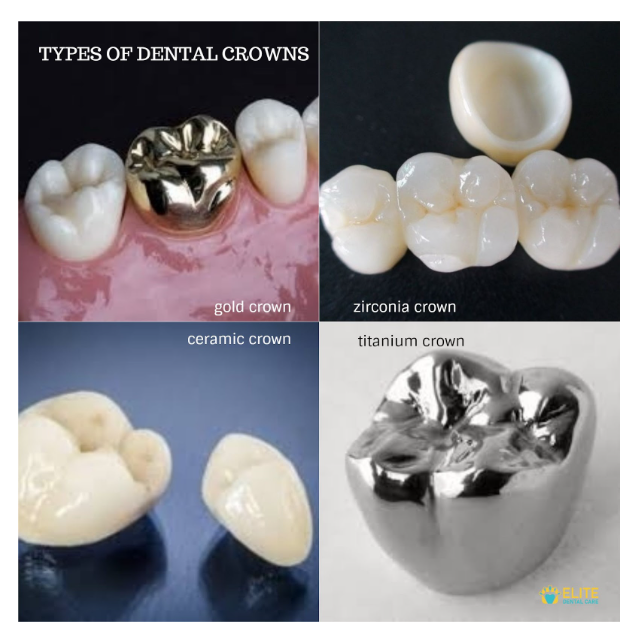
There are several types of dental crowns, each with different features and it makes a difference in the cost of root canal treatment. All-Ceramic or All-Porcelain Crowns are great for matching the colour of your natural teeth and are often used for front teeth, though they are not as strong as metal crowns. Metal Crowns are made from gold, platinum, or base alloys and are very durable and long-lasting, but their colour makes them unsuitable for front teeth.

 Porcelain-Fused-to-Metal Crowns combine the strength of metal with the look of porcelain, making them suitable for both front and back teeth and more affordable than all-porcelain crowns. 

All-Resin Crowns are the least expensive but wear out or break more easily. Zirconia Crowns are a newer option that provides the strength of metal with the appearance of porcelain, and they are strong, rarely break, and are less likely to cause allergies.

Dentist Recommendations: Tips to reduce the chance of root canal

Right after every root canal, the patient is showing   eagerness  to know about how to prevent the chance of root canal in future.here are some dentist recommendations. 

  • Brush your teeth before bed and at least once more during the day.
  • Use toothpaste with fluoride.
  • Choose the right toothbrush and replace it regularly.
  • Visit your dentist for regular checkups and cleanings.
  • Floss between your teeth to remove plaque.
  • Stay away from sugary foods and drinks and eat a balanced diet.

Frequently Asked Questions (FAQs)

Q: How long does a root canal treatment usually take?

A: A root canal treatment typically takes 1-2 visits.


Q: Are there any risks or side effects to a root canal?

A: Root canal treatment may cause temporary pain, swelling, or infection, but this is rare.


Q: How long can a tooth last after a root canal?

A: A treated tooth can last a lifetime with proper care.


Q: How long do root canals last?

A: Root canals can last many years, often 10 or more.


Q: What happens to a tooth 10 years after a root canal?

A: Ten years after a root canal, the tooth is usually fine, but regular checkups are important.


Q: Can a root canal get infected 20 years later?

A: A 20-year-old root canal can get infected, but it’s less common.


Q: Is a root canal painful?

A:Root canal treatment is not painful because local anaesthesia is given before the treatment.